Target Workplace Foundation Skills
Purpose
This is to use in the lesson
This lesson will examine a report that was collected from interviews with 1,469 employers, supervisors, and people responsible for hiring employees. The lesson focuses on whether adjudicated youth should disclose or not disclose their criminal history. Students will utilize the RADD worksheet to determine the proper response to a workplace disclosure scenario.
Review
This is to use in the lesson
5 Minutes
Tell students they will be using the RADD worksheet to choose the most appropriate alternative in deciding whether to disclose their criminal history or not. Review what each letter of the acronym RADD means— recognize the problem, generate alternatives, decide if alternatives solve the problem in good or bad ways, and determine which alternative is best. Ask why it is important to think about actions, thoughts, and feelings when making a decision. Review other problem-solving characteristics and behaviors from the workplace foundation skills definitions. Emphasize that disclosing is a personal decision and that different situations might determine whether to risk disclosing or not. Explain that the RADD worksheet offers a process for making a disclosure decision.
Learning Outcomes
This is to use in the lesson
Students will:
- Generate a list of pros and cons on whether to disclose their criminal history after examining a survey conducted with employers
- Given a scenario that focuses on whether to disclose during the application process, generate a list of alternatives using the RADD worksheet.
Teaching Strategies
This is for you
- Discussions may run long in this lesson as there is much to discuss, so be sure to be mindful of pacing throughout.
- Tell students this lesson is not about the legal requirements regarding reporting juvenile criminal involvement, but instead, it is an opportunity to discuss how the business community perceives disclosing criminal history.
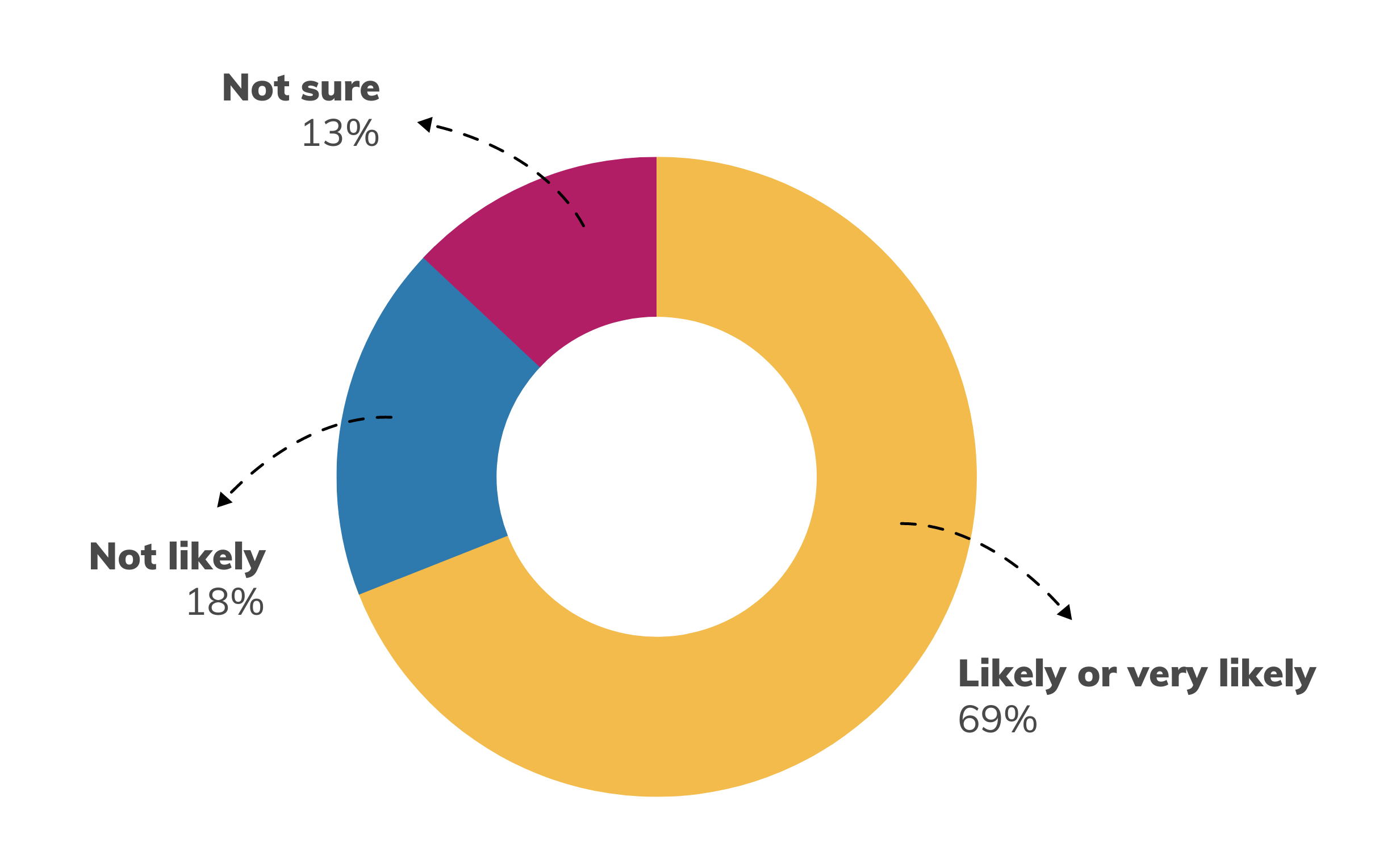
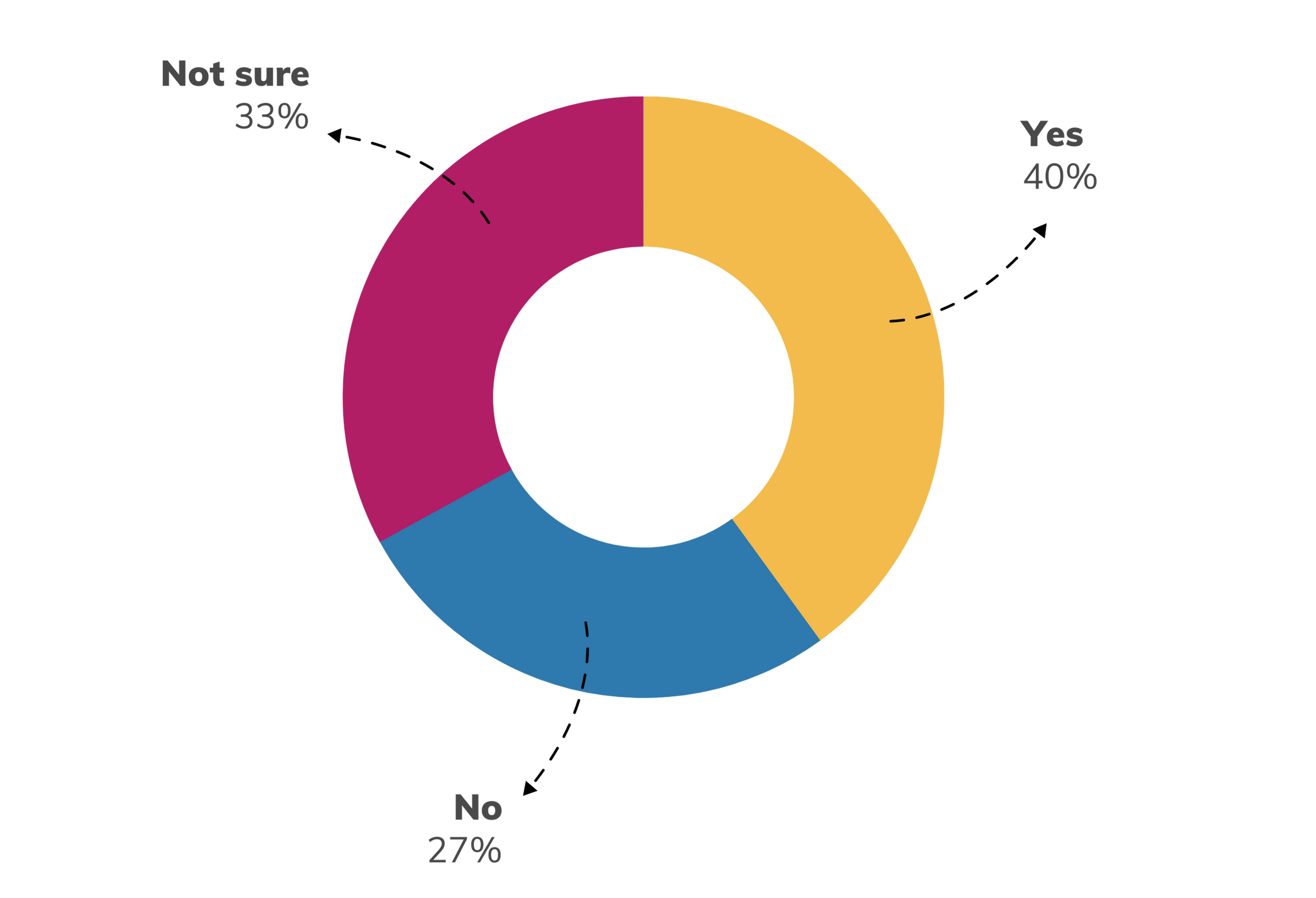
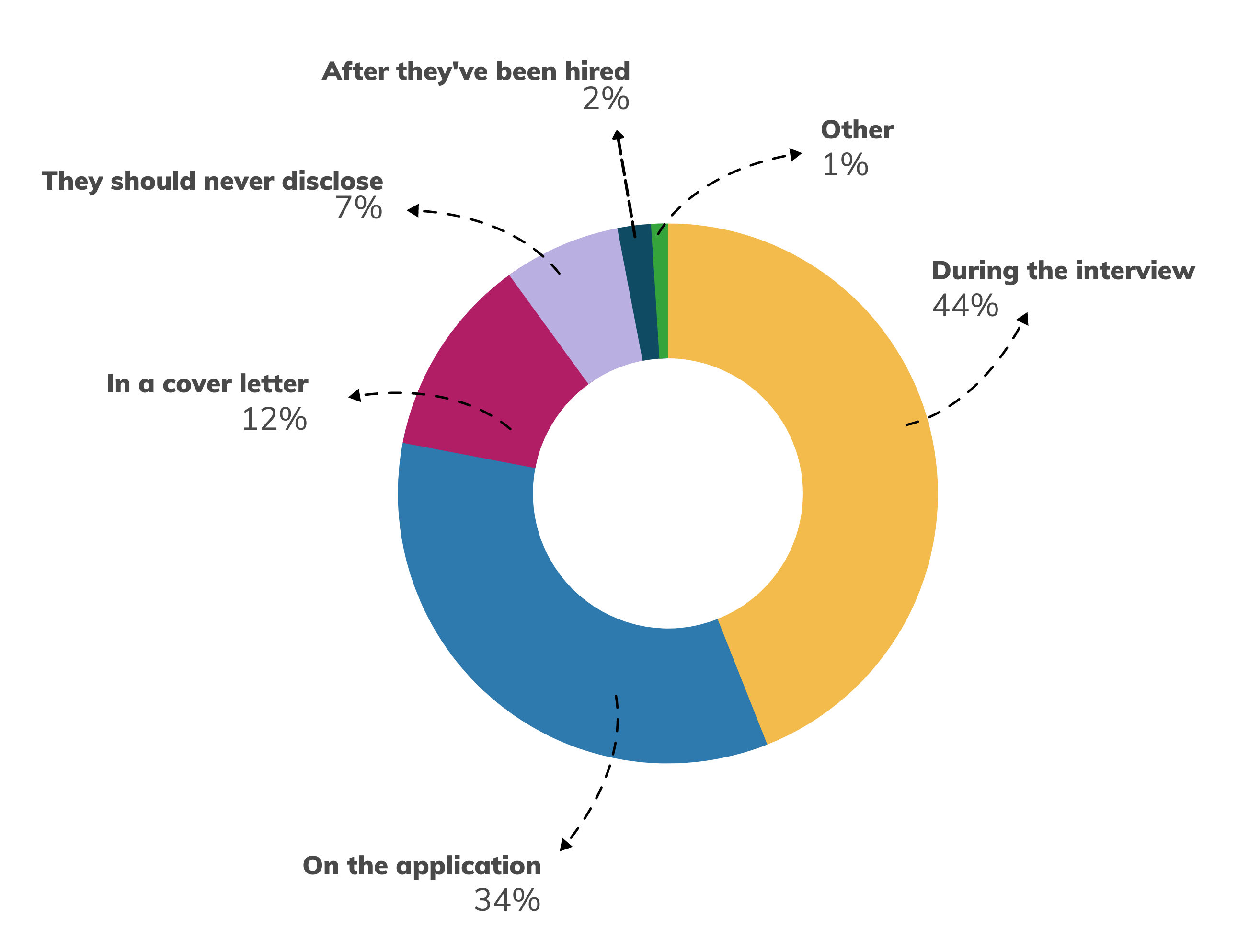
- Model how to read graphs by identifying the largest and smallest sections of the graph and talking about how different sections compare to each other.
- Remind students that specific crimes are not to be discussed, but discussing the severity of the crime may be helpful contextual information.
- Remind students that specific crimes are not to be discussed.
- Be very sensitive to students’ anxiety about disclosure. Make sure you have concrete examples of the positive value of disclosure (e.g., Integrity, honesty, owning).
Required Materials
This is to use in the lesson
- What employers think about disclosure (Handout 12.1)
- RADD worksheet (Worksheet 12.2)
- Disclosure scenario one (Handout 12.3)
Vocabulary
This is to use in the lesson
Disclose: Telling something about yourself that was previously unknown. For example, you might tell an employer you have a criminal history during an interview.
Pros and cons: When you have a problem to solve, you look at how you might solve it and then consider the advantages and disadvantages of each solution. For example, you have been asked to complete a section of an application form that asks if you have ever been convicted of a crime. You need to consider the advantages and disadvantages of admitting your crime:
- A pro (advantage) would be that answering “yes” provides you with an opportunity to be honest and own your past mistakes.
- A con (disadvantage) would be to be eliminated from the employee pool because of your past mistakes.
Activity 12.1: What We Know from Employers
- Ask students if they have ever had to disclose their criminal history. If yes, why did they disclose it? If not, what were the benefits of not disclosing?
- Ask students if they ever made the choice not to disclose, but then their employer found out anyway. How did the employer react? How did the student react?
- Discuss how “owning” their mistakes might impress others. How does this demonstrate taking responsibility?
- Ask them about situations where it might not pay to reveal personal weaknesses. Why might this be viewed as using good discretion?
- Hand out the “What do employers think about disclosure?” information sheet (Handout 12.1).
- Refer back to teaching strategies about graph reading.
- Ask the following:
- What does the information sheet have to say about how employers feel about hiring people that have been involved in the juvenile justice system?
- What do they say about disclosure at the time of the application? The interview? Other times?
- What should you think about when deciding when to disclose? What are some pros and cons of disclosing?
- Point out that research on employer attitudes toward disclosure is genuinely mixed — no single job type or industry is reliably "safer" to disclose in, so the more useful conversation is about how an individual employer's mission, values, or hiring practices (rather than their industry alone) might shape how a disclosure is received.
Handout 12.1
1,469 employers, supervisors, and people responsible for hiring across the US were asked...
How likely would you be to hire entry-level applicants who have been involved in the
juvenile justice system?
Should youth disclose their prior juvenile criminal history when applying for a job?
When would be the most appropriate time to disclose?
Other employers’ thoughts on disclosure...
Activity 12.2: To Disclose or Not on the Application or Interview
Directions:
- Distribute the RADD Worksheet (12.2) and Disclosure Scenario Handout (12.2) to the class, which includes both the Jason example and the Maria and create your own practice scenarios.
- Walk through the Jason scenario and completed RADD worksheet example together as a class, reviewing how each alternative was weighed (+/−) and why the best option was determined.
- Direct students to the Maria or create your own scenario on the same sheet, and have them complete the blank RADD worksheet independently.
- Discuss as a class: How did students' strategies compare? What did they do similarly or differently from the Jason model? Discuss other examples of when it might be appropriate to disclose or not disclose during the application process.
- Ask volunteers to role-play the strategy they chose for the Maria or create your own scenario.
- Ask the class how this strategy demonstrated that Maria or the person in the create your own scenario was taking responsibility for their past mistakes.
Worksheet 12.2
Example: Jason scenario Recognize and describe the problem.
| ||
|---|---|---|
Think of and list all Alternatives that could be done in this situation. | Decide whether this alternative would solve the problem in a good (+) or bad (-) way. If you can't tell, use +/- | Determine which alternative is best; put an X by it. |
| Don't disclose anything on the application; hope it doesn't come up | − (Could get him hired short-term, but background checks often catch it later, risking termination and breaking trust — and possibly a parole issue) | |
| Disclose in the same way he has on the last seven applications, with no changes | +/− (Shows honesty, but hasn't worked so far — no interviews) | |
| Disclose the charge but add a short, honest note about what he's learned and why he's ready to work | + (Shows accountability and growth — humanizes him beyond the charge, may build trust with an employer) | X |
| Wait to disclose until an in-person interview, so he can explain in person rather than on paper | + (Could allow him to build rapport first — but landscaping employers may screen out applications before ever meeting him) | |
Practice: Maria scenario or create your own Recognize and describe the problem.
| ||
|---|---|---|
Think of and list all Alternatives that could be done in this situation. | Decide whether this alternative would solve the problem in a good (+) or bad (-) way. If you can't tell, use +/- | Determine which alternative is best; put an X by it. |
Handout 12.2
Example scenario: Jason
Jason is being released from a long-term secure program and is being transitioned into an independent living program. He is on parole for a prior drug charge. He has been given 60 days to find a job. He has applied for several landscaping jobs where he has disclosed prior criminal history on the job applications. He has received no call for interviews. His deadline is approaching, and he needs to land a job immediately. He is about to fill out his eighth application. How should Jason handle disclosing his criminal background to this employer as he submits his application?
Look at Jason's scenario on the RADD worksheet — review how each alternative was weighed (+/−) and why the best option was determined. Discuss why the "best" alternative made sense.
Practice Scenario: Maria
Maria completed a diversion program for a shoplifting charge two years ago and has since been doing well — stable housing, close to finishing her GED. She's interviewing tomorrow for a cashier job that's close to home and fits her class schedule. The application didn't ask about criminal history, but she knows the store runs background checks after a job offer, and the interviewer often asks, "Is there anything else we should know about you?" Maria isn't sure whether to bring up her charge herself or wait to see if it comes up later — she doesn't want to risk the interview by saying too much, but she also doesn't want to get fired down the road if the background check turns up something she didn't mention.
Use the RADD worksheet to determine a strategy for how Maria should approach disclosure — both in the interview tomorrow and if a background check comes up later.
Create Your Own Scenario:
Think of a situation — real or imagined — where you might need to decide whether, when, or how to disclose something from your past to someone else (an employer, landlord, teacher, coach, or someone else). Write a short scenario describing the situation, what's at stake, and why the decision feels difficult.
Use the RADD worksheet to work through your own alternatives and determine your best strategy. Be ready to share your scenario and strategy with the class if you're comfortable doing so.
Check for Understanding
This is to use in the lesson
After discussing disclosure issues relative to application scenarios, ask students the following:
- Which setting would feel the most comfortable to you if you were to disclose? Application? Interview? On the job?
- How does disclosing your criminal history demonstrate “owning” or taking responsibility?
- Provide an example of how to communicate disclosing your criminal involvement.
- Name two pros and two cons of disclosing.